T-shirt manufacturer in Bangladesh
Bangladesh ships more cotton t-shirts than almost anywhere else, and the knit factories around Gazipur, Narayanganj and Ashulia are built for it. We develop your fit, source the jersey, and manage decoration, labelling and packing through to shipment.
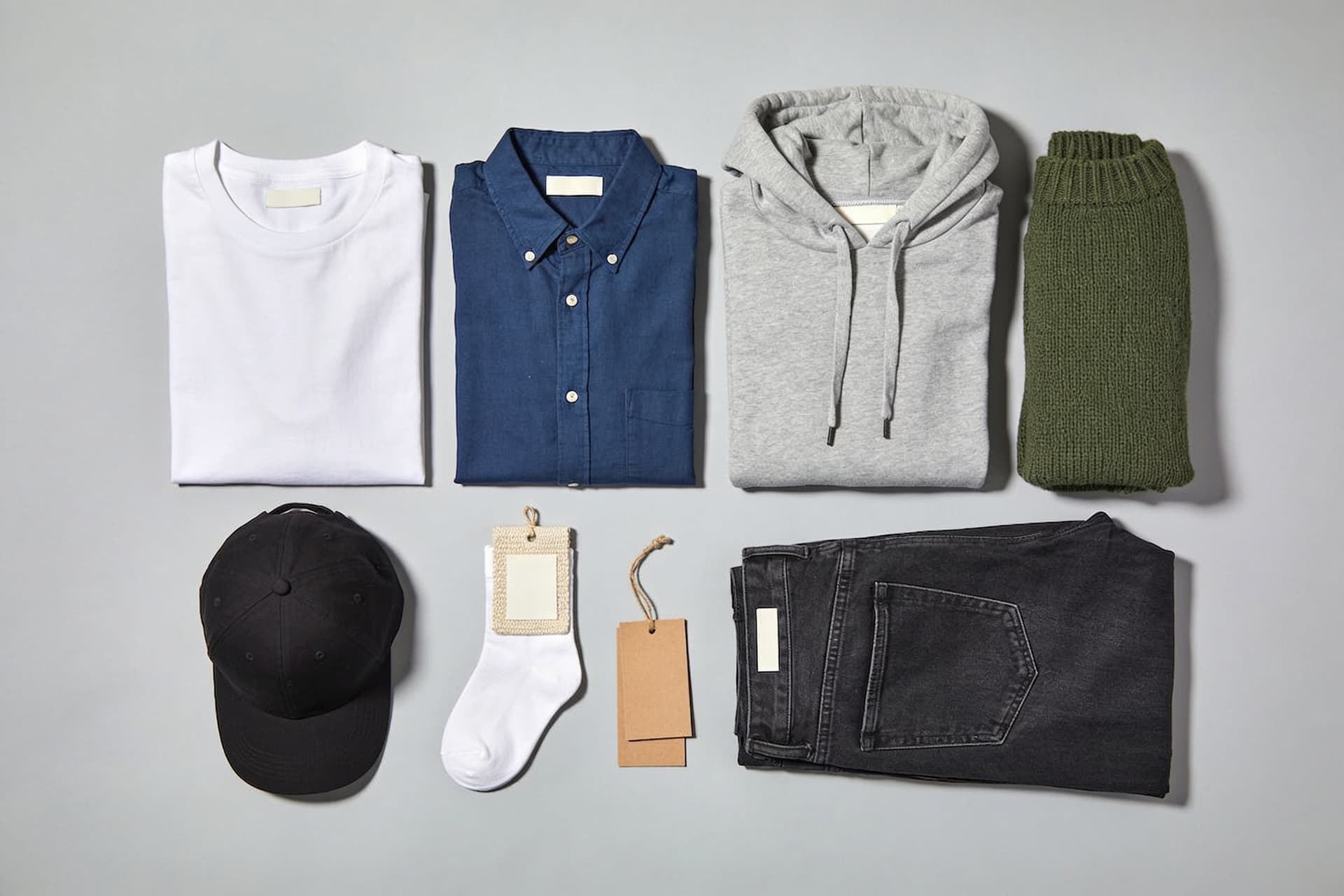
Styles we make
- Crew neck and V-neck
- Oversized and boxy fits
- Heavyweight street tees
- Long sleeve tees
- Ringer and raglan tees
- Pocket tees
- Tank tops and muscle tees
- Crop tops
- Kids and baby tees
Fabrics and weights
- Single jersey 140–180 GSM
- Midweight jersey 180–220 GSM
- Heavyweight jersey 240–300 GSM
- Combed and ring-spun cotton
- Organic cotton (GOTS or OCS)
- Recycled cotton and polyester blends (GRS)
- Slub, melange and tri-blend
- Cotton–elastane and modal
Decoration and finishing
- Screen print: plastisol, water-based, discharge, puff
- DTG and DTF
- Embroidery and appliqué
- Garment dye and pigment dye
- Enzyme and acid wash
- Custom neck labels, heat transfers and hangtags
Standards for t-shirts.
The standards buyers most often ask about in this category. We share the certificates and test reports that apply to the factory and fabric used for your order.
| Standard | What it proves | Type |
|---|---|---|
| OEKO-TEX® STANDARD 100 | Every component of a product — fabric, thread, labels, buttons, prints — is tested for harmful substances. | Voluntary standard |
| GOTS — Global Organic Textile Standard | Organic fibre tracked from farm to finished garment, with environmental and social criteria at every processing stage. | Voluntary standard |
| GRS — Global Recycled Standard | Verifies recycled content (at least 20% to be certified, 50% for an on-product label) and adds social, environmental and chemical requirements for every processing site.. | Voluntary standard |
| WRAP | Certifies a facility against 12 principles for lawful, humane and ethical production, including legal compliance, forced and child labour, harassment, pay and benefits, hours, health and safety, environment, customs compliance and security.. | Voluntary standard |
| amfori BSCI | Audits working conditions against the amfori Code of Conduct: fair pay, working hours, freedom of association, no child or bonded labour, health and safety, and the management systems behind them. | Voluntary standard |
Quality checks on every order.
Fabric is tested before cutting, the line is checked from the first bundles, and a final AQL inspection happens before packing is sealed. You get the report with photos before you approve shipment.
T-shirts: common questions.
What fabric weight should I choose for a t-shirt?
Fabric weight, measured in grams per square metre (GSM), shapes how a t-shirt feels and hangs. Lightweight jersey around 140 to 160 GSM is soft and breathable, suited to promotional tees and warm climates, but it can look sheer in pale colours. Midweight jersey from about 180 to 220 GSM is the usual choice for premium basics: it holds its shape, drapes well and survives repeated washing. Heavyweight jersey from 240 up to 300 GSM gives the structured, boxy look popular in streetwear, at a higher fabric cost. Yarn matters as much as weight. Combed and ring-spun cotton feel smoother and pill less than open-end yarn at the same GSM. We send knit-down swatches in the weights you are considering before sampling, so you can compare hand-feel, opacity and shrinkage before committing to bulk fabric.
Which printing method is best for custom t-shirts?
It depends on the artwork, the quantity and the feel you want. Screen printing suits bold logos with a limited number of colours and gives the most durable result at volume; water-based and discharge inks feel softer than plastisol, while puff and high-density inks add texture. DTG, or direct-to-garment printing, reproduces full-colour and photographic designs without screens, which works well for detailed artwork and smaller runs, and is best on cotton. DTF transfers handle fine detail on a wider range of fabrics. Embroidery adds a premium, long-lasting finish for small chest logos but becomes costly across large areas. Garment dyeing and washes change the colour and softness of the whole garment. We strike off your artwork on the chosen fabric before bulk production, so you can approve colour, placement and hand-feel first.
Related products
Planning a t-shirts order?
Send a tech pack, a sketch or a photo of a garment you like. We reply within one working day with questions or a first costing.
- One merchandiser responsible for your order
- Certificates and audit reports shared before production
- AQL final inspection report before you approve shipment
- NDA signed on request before you share designs